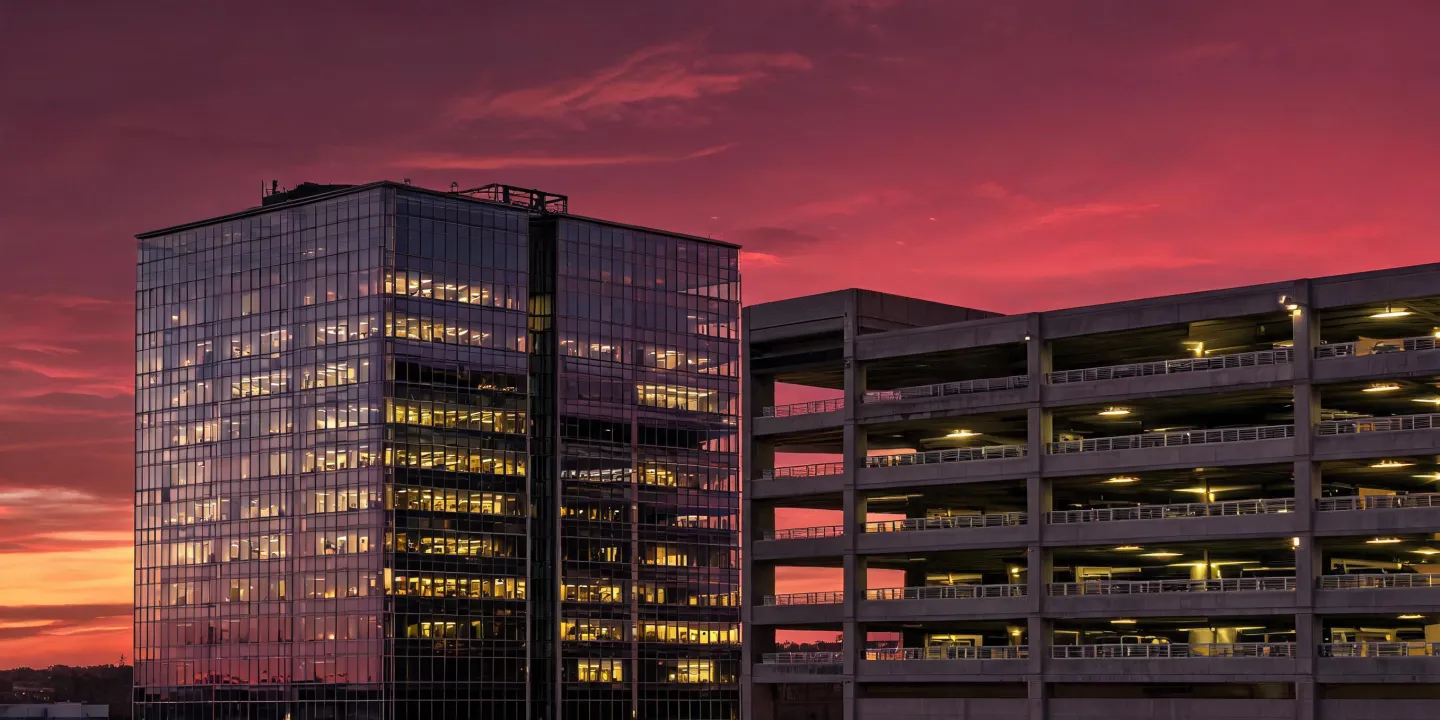
Curtainwall & glazing joints
Structural silicone and perimeter polyurethane sealants accommodate thermal cycling on aluminum and glass while UV stability protects exposed beads on high-rise facades.
Industry applications
From high-rise curtainwalls to parking decks and below-grade waterproofing, Tremco sealants and membranes are specified where air permeability, joint movement, and abrasion resistance decide whether the envelope performs for decades.
Application pillars
Each pillar reflects a real building-materials scenario—not a generic market label—so teams can match chemistry to substrate, climate, and duty cycle.
Structural silicone and perimeter polyurethane sealants accommodate thermal cycling on aluminum and glass while UV stability protects exposed beads on high-rise facades.
Puma traffic coatings and expansion joint systems resist vehicular abrasion, chloride exposure, and crack bridging on cast-in-place and precast decks.
Elastomeric roof coatings and flashing sealants extend flat-roof service life when full tear-off budgets conflict with sustainability and schedule targets.
Membranes, drainage mats, and detailing accessories keep foundation walls and plaza decks dry when hydrostatic pressure and moisture vapor transmission threaten occupied space.
Acoustical sealants and continuous air barriers support STC rating goals and energy models on hospitals, labs, and academic buildings with stringent indoor air expectations.
Transformation cases
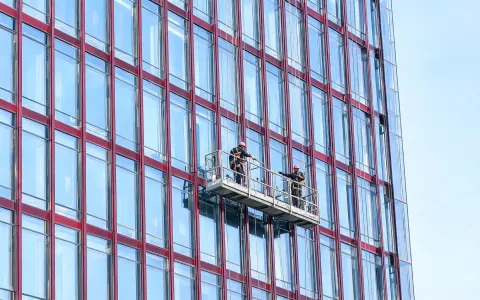
Background: a Midwestern 42-story tower entered bid with generic “sealant” callouts and no ASTM C920 class. Process: the facade consultant required peel adhesion tables on aluminum and glass before approving Spectrem structural silicone and Dymonic perimeter SKUs at ±50% movement. Result: the opening submittal cleared without a second chemistry rewrite, and joint width-to-depth notes traveled into the shop drawings for the certified applicator.
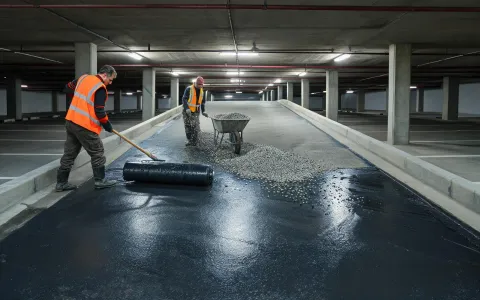
Background: a university parking structure saw blister callbacks after a prior coating season skipped moisture verification. Process: the team adopted Puma primer checks against the TDS moisture / RH caps before aggregate broadcast on vehicular ramps. Result: blister callbacks dropped across two winter salt seasons while published abrasion resistance and wet slip resistance coefficient targets remained in the O&M file.
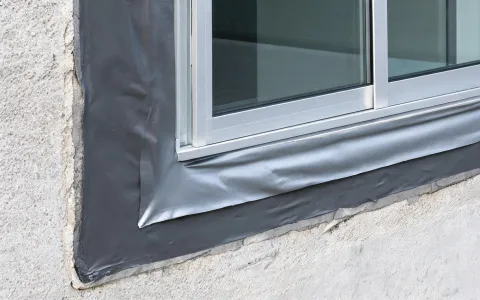
Background: a healthcare campus energy model assumed continuous air barrier performance at punched openings. Process: ExoAir 230 transition membranes and primers were detailed at every window, with acoustical sealants where demising walls carried STC rating targets. Result: air permeability stayed on the ASTM E2178 pathway used in the model, and open-wall UV windows were scheduled so exposure did not exceed the TDS clock before cladding.
Natural versus engineered cladding debates often arrive late—after the air barrier plane is already designed. Tremco teams document how sealant substrate adhesion and moisture vapor transmission change when teams switch from masonry to metal panel rainscreens. Sustainability premiums versus budget reality show up as coating thickness debates on parking decks: thicker wear coats raise abrasion resistance and service life expectancy, yet value engineering may push thinner systems that still meet minimum slip resistance coefficients. We keep those conversations numeric—deck substrate compressive strength in PSI where relevant, published elongation, air permeability targets near ≤0.04 cfm/ft² when continuous, and warranty pathway requirements—so owners can choose knowingly. Immersion joints, chemical splash, and UV-expired open walls remain outside standard SKU assumptions.
Tell us whether curtainwall joints, deck abrasion, roofing restoration, or below-grade waterproofing drives the package—and we will return TDS tables and applicator referrals.
Find a Certified Applicator